Learn About cartridge filters
Learn About cartridge filters
Blog Article
Increase Effectiveness: Selecting the Right Dust Control Filters for Your Demands
Picking the correct dust collector filters is crucial for enhancing system efficiency. Several influences shape this selection, encompassing dust type, airflow needs, and filter performance. Recognizing the differences between bag and cartridge filters can substantially impact operational results. Periodic care also plays an important role in longevity and performance. As organizations aim for better air quality and expense reduction, the nuances of filter determination become increasingly important. What criteria should one consider next?
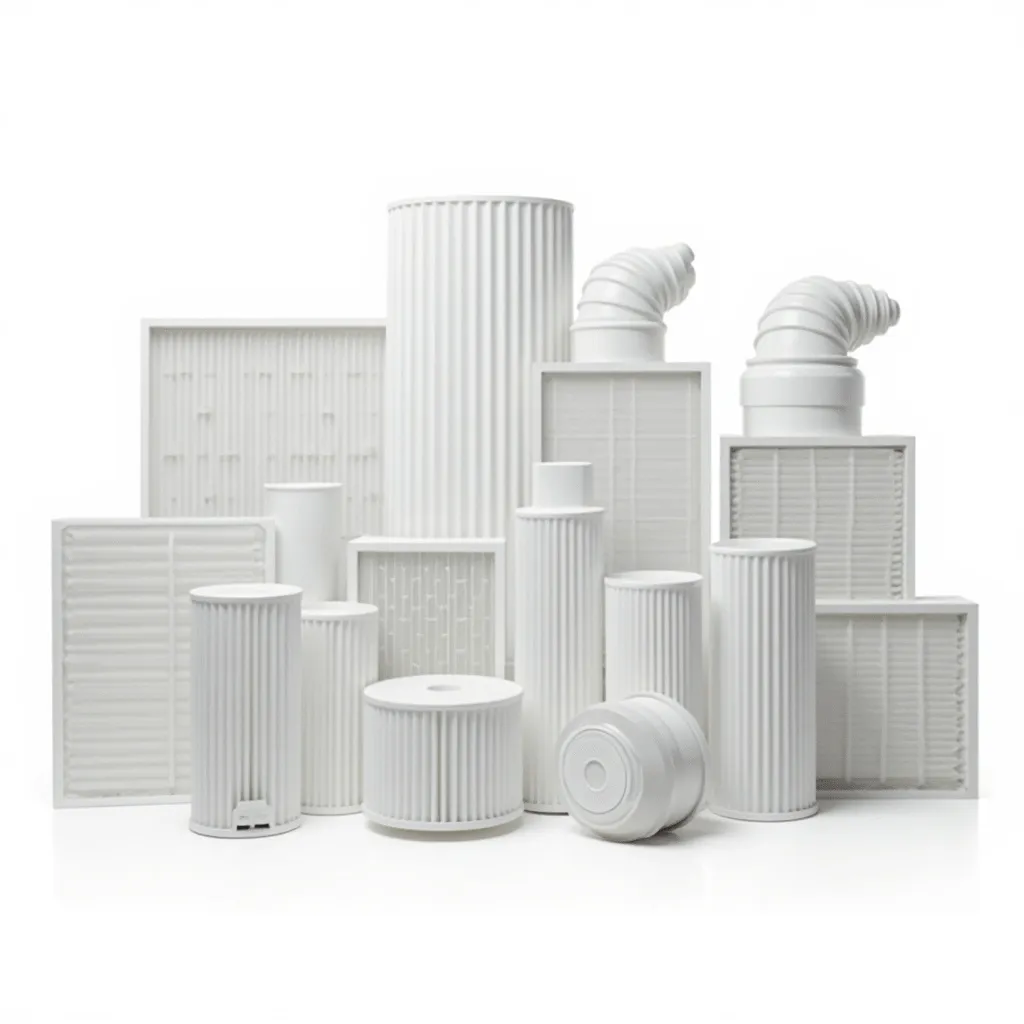
How to Identify the Appropriate Dust Collector Filter
Determining the suitable dust collector filter can often appear complex. With numerous options to consider, grasping the unique needs of the workspace is important. Considerations such as the dust composition produced, the quantity of air requiring filtration, and the preferred efficiency levels are crucial to the choice process.
Moreover, the filter's interoperability with the existing dust collection system is vital to ensure optimal performance. Careful consideration should be given to the filter's service life and maintenance demands, as these can impact operational costs.
Performance ratings and certifications can assist users in choosing filters that satisfy industry standards.
Ultimately, comprehending the specific application and environmental conditions will result in a more informed choice, enhancing the effectiveness of the dust gathering apparatus and securing a cleaner and safer work environment.
Bag Strainer Basics
Bag filters serve a critical function in dust collection systems, effectively capturing suspended dust and preserving air quality in multiple industrial environments.
These strainers are typically constructed of woven or non-woven materials that can capture dirt, fibers, and other particles. Common varieties encompass needle-punched felt and fabric weave bags, each providing distinct filtering effectiveness and operational properties.
Bag filters are routinely used in applications ranging from woodworking to metalworking, where effective dust regulation is critical. They can also be modified in different shapes and sizes to be placed in specific systems.
Ongoing servicing and replacement cycles are critical to maintain optimal performance, as obstructed filters can block air passage and reduce system capability.
Proper choice of bag filters is key to optimizing dust collection effectiveness.
Discover About Filter Filters
Cartridge filters offer another effective solution in dust collection systems, complementing the role of bag filters.
These filters are designed with a cylindrical shape, maximizing surface area and enhancing dust capture efficiency. Typically constructed from pleated materials, cartridge filters can capture fine particles, ranging from 0.5 to 5 microns, making them ideal for various industrial applications.
Their small form factor allows for easy installation and maintenance, often resulting in lower operational costs. Additionally, cartridge filters can be cleaned using pulse jet cleaning systems, prolonging their lifespan and reducing waste.
When evaluating cartridge filters, considerations should include the type of dust being collected, airflow requirements, and specific industry regulations to guarantee peak performance and compliance.
Essential Requirements for Choosing Dust Collector Filters
Choosing dust collector filters requires considering several essential criteria to ensure ideal functionality and efficiency.
Initially, the filter component serves a key function; alternatives include polyester, polypropylene, and cellulose, each fitting particular dust varieties and uses.
Second, the filter's operational efficiency, often gauged using MERV (Minimum Efficiency Reporting Value), should conform to the specific requirements of the workspace.
Moreover, the filter's airflow resistance must be reviewed, as substantial resistance could produce higher power expenses and weakened airflow.
The filter's size and compatibility with existing equipment are also significant, ensuring correct setup and best performance.
Finally, maintenance specifications, including cleaning and replacement cycles, should be assessed to reduce interruptions.
How Does Air purification Efficiency Determine Air Quality?
What impact does filter efficiency have on air quality? The capability of dust collector filters is directly linked with the particulate matter removed from the air. Superior-efficiency filters collect smaller particles, including allergens, dust, and harmful pollutants, thereby substantially boosting indoor air quality.
When filters run at optimal efficiency, they minimize the reintroduction of contaminants, alleviating respiratory issues and other health risks related to poor air quality.
In industrial settings, the selection of filtration system can establish compliance with health and safety regulations, impacting corresponding information overall workplace safety. Conversely, inferior filtration systems may permit harmful particles to escape into the environment, exacerbating environmental contamination.
Consequently, determining the suitable filter not only enhances air quality but also supports a more salubrious milieu for employees and the surrounding community. Ultimately, investing in superior filters is indispensable for sustaining a clean and safe environment, emphasizing the importance of filter selection in dust collection systems.
The Impact of Proper Filter Care on Dust Collector Filter Longevity
Maintaining filters is vital in maximizing the lifespan of dust collector filters. Consistent cleaning and examination are necessary procedures that ensure maximum efficiency and boost filter longevity.
Skipping regular upkeep can bring about significant dust buildup, which increases resistance and reduces airflow. This pressure can cause filters to deteriorate more rapidly, necessitating early replacement.
Additionally, the classification of maintenance completed—whether it requires manual cleaning or mechanized solutions—can also impact lasting quality.
For instance, incorrect washing techniques may damage filter media, compromising their efficiency.
Budget-Related Benefits of Dust Collector Cartridges
Economic viability is a essential factor in choosing dust collector filters, as it substantially influences operational efficiency and budget management. Businesses must review both the initial costs and the long-term performance of filters to determine their overall value.
Higher-quality filters may have a higher initial price but can offer superior filtration efficiency and longer lifespan, reducing replacement frequency and maintenance costs.
In addition, electricity usage should be incorporated into the cost equation; filters that permit improved airflow can decrease the energy requirements of dust collection systems.
Analyzing the total cost of ownership, which includes purchase, upkeep, and running costs, provides an comprehensive perspective of financial efficiency.
Determining the best filters not only abides by regulatory compliance but also enhances productivity by reducing downtime and providing cleaner work environments, further reinforcing the investment.
Therefore, companies should carefully evaluate their choices to match filter choice with budget objectives and operational needs.
Filter Determination Principles
Selecting the right filter media is crucial for maximizing a dust collection system's performance. To begin, one must assess the specific types of dust produced in the workspace, as different materials demand different filtering capabilities.
Taking the filter's micron rating into consideration is crucial; finer particles require higher-rated filters. Furthermore, examining airflow requirements helps in choosing filters that maintain peak system performance without excessive pressure drop.
Compatibility with the dust collector model is a essential factor, making sure of a proper fit and function. Lastly, one must consider the filter's longevity and ease in replacement to reduce downtime.
Regular Maintenance Routines
A dust collection system requires regular maintenance that is indispensable for confirming peak performance and longevity. Consistent monitoring of filter media is vital; refreshing or substituting them as warranted circumvents obstruction of air movement and retains productivity.
In addition, checking seals and ductwork for leaks can substantially improve system performance. It is advisable to schedule routine maintenance inspections, ideally monthly, to mitigate any potential issues before they worsen.
Operators should also check the pressure meter to evaluate filter condition correctly. Proper maintenance of the collection unit itself, including the motor and fan components, increases the system's lifespan.
Implementing these maintenance practices not only optimizes dust collection performance but also contributes to a safer and healthier working environment. Regular maintenance guarantees that the system operates at its peak, lowering long-term operational costs.
Frequently Asked Inquiries
How many Intervals Should I Swap out My Dust Collector Filters?
Dust collector filters ought to be changed every six months to a year, subject to usage and environmental conditions. Periodic inspections and maintenance can support in determining the ideal replacement schedule for upholding performance and efficiency.
Can Disposable Filters Be washed and reused?
Disposable filters are not intended for cleaning and reuse. Trying to clean them can compromise their functionality, leading to decreased performance. It is recommended to change disposable filters regularly to ensure optimal dust collection efficiency.
What Options Perform Best for Dust Collector Filters?
Synthetic fibers, pleated paper, and activated carbon are considered among the best materials for dust collector filters. These solutions offer excellent filtration efficiency, durability, and the capacity to capture fine particles, enhancing overall air quality in various environments.
Do eco-friendly filter alternatives exist?
Absolutely, green filter options are offered, featuring filters made from reused substances, biodegradable fibers, and natural media. These alternatives can effectively reduce ecological consequences while sustaining filtration efficiency in dust collection systems.
How Can One Enhance Filtration Quality in High-Dust Conditions?
To enhance filter efficiency in high-dust conditions, routine upkeep, choosing appropriate filter components, optimizing airflow, and installing pre-filters can greatly boost efficiency and prolong the lifespan of dust gathering systems.
Report this page